Language & parental involvement
Many primary schools have difficulty involving parents in the school, especially when they do not have Dutch as their mother tongue.
 Inspiration
Many primary schools have difficulty involving parents in the school, especially when they do not have Dutch as their mother tongue.
The Seventh Montessori School in Amsterdam has been offering TopTaal's Language and Parent Involvement course for one and a half years now. With success, because parents now play a much more active role within the school. Financed by the municipality, the Language and Parent Involvement course is intended for fathers and mothers of children of primary school age. With the program, the municipality encourages parents to learn the Dutch language and to increase their involvement in both their child's school and language development. The objectives of the course are threefold: to improve the language skills of parents so that they are better able to support their child in their development, to increase parental participation in their child's school and finally to prepare parents for a follow-up towards participation, volunteering or training.
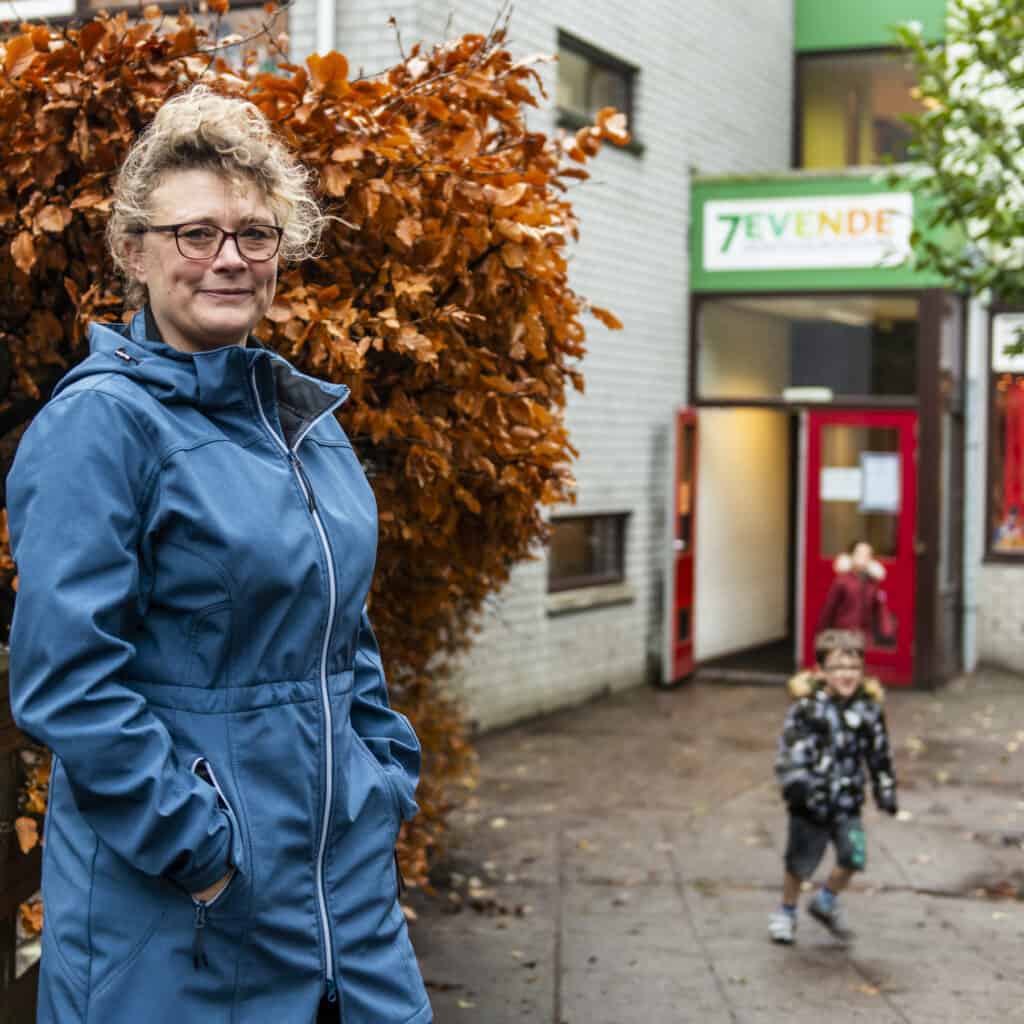
The curriculum has been compiled by the professionals of TopTaal. And it is successful. The Seventh Montessori School is one of more than forty schools that participate. Three times a year, parents can register for a series of twenty lessons. They are then expected at their child's school two mornings a week. The school does need a suitable room for this, but the costs of the lessons are minimal and are limited to a blackboard, pens and paper. Director Eva Meilof considers it important that parents feel at home in the school. For that reason alone, she is happy with the TopTaal courses. 'You used to see that parents had more trouble asking questions or offering help. They delivered their children to the front door of the school and left immediately. Now you notice that they see school much more as part of their own life. And ask questions and help at school. '
In order to feel more secure in this society, parents of non-Dutch descent often need guidance. Courses in which they not only improve their language skills but also get to know the school better, according to Eva. 'These are parents who find it difficult to make contact. In the lessons they often deal with the same themes as their children; if it is Children's Book Week, teacher Anelli tells them a lot about it. And when we have a Health theme week, attention is also paid to this within the Language and Parent Involvement course. '
It is not easy for the teacher to tailor each student every time. The level of education of the participants varies greatly. Anelli also sees that one parent wants to learn to speak better while another parent in the same group benefits much more from explanation about upbringing. How do you deal with a child who only wants to play games? And what do you do with a child who has difficulty controlling his energy? By answering questions that live within the group, Anelli ensures that the parents are skilled in raising, but also that they know how to find each other better. They build a network and become well informed. Very nice to see, both Eva and Anelli think.
The yield of the lessons is high, Eva believes. 'We have a group of enthusiastic people who learn new skills in a relaxed way. That is good for themselves but also for their children. Because the parents are more often at school, it is easy for them to immerse themselves in their children's environment. In addition, they regularly help at school, as a lice mother or in the library, for example. They have a lot of support for each other. It is very good for children to see that their parents continue to learn. I would hate if the classes had to stop. Fortunately, that is not the case at the moment. '